
Sports Chiropractic Care for Ankle Sprains in Lake Minnetonka, MN
Rolled Your Ankle? Don’t Just “Walk It Off.”
Ankle sprains are one of the most common sports and lifestyle injuries we see at Minnesota Movement Chiropractic & Sports Rehab in Excelsior. Whether you rolled your ankle playing basketball, stepped off a dock awkwardly at the lake, landed wrong during pickleball, or simply misjudged a curb while walking the dog - ankle sprains can become chronic problems fast if they aren’t treated correctly.
And contrary to what most people think - a bad ankle sprain can sometimes be more frustrating than a fracture.
The problem isn’t just swelling or bruising. The real issue is that ankle sprains often create long-term instability, poor balance, altered gait mechanics, and compensation patterns that eventually affect the knee, hip, low back, and even running performance.
At Minnesota Movement, our Sports Chiropractors specialize in finding out why the ankle became vulnerable in the first place. Then we take that information to build a rehab plan that not only gets you out of pain and back to your activity, but helps prevent future sprains from happening again.
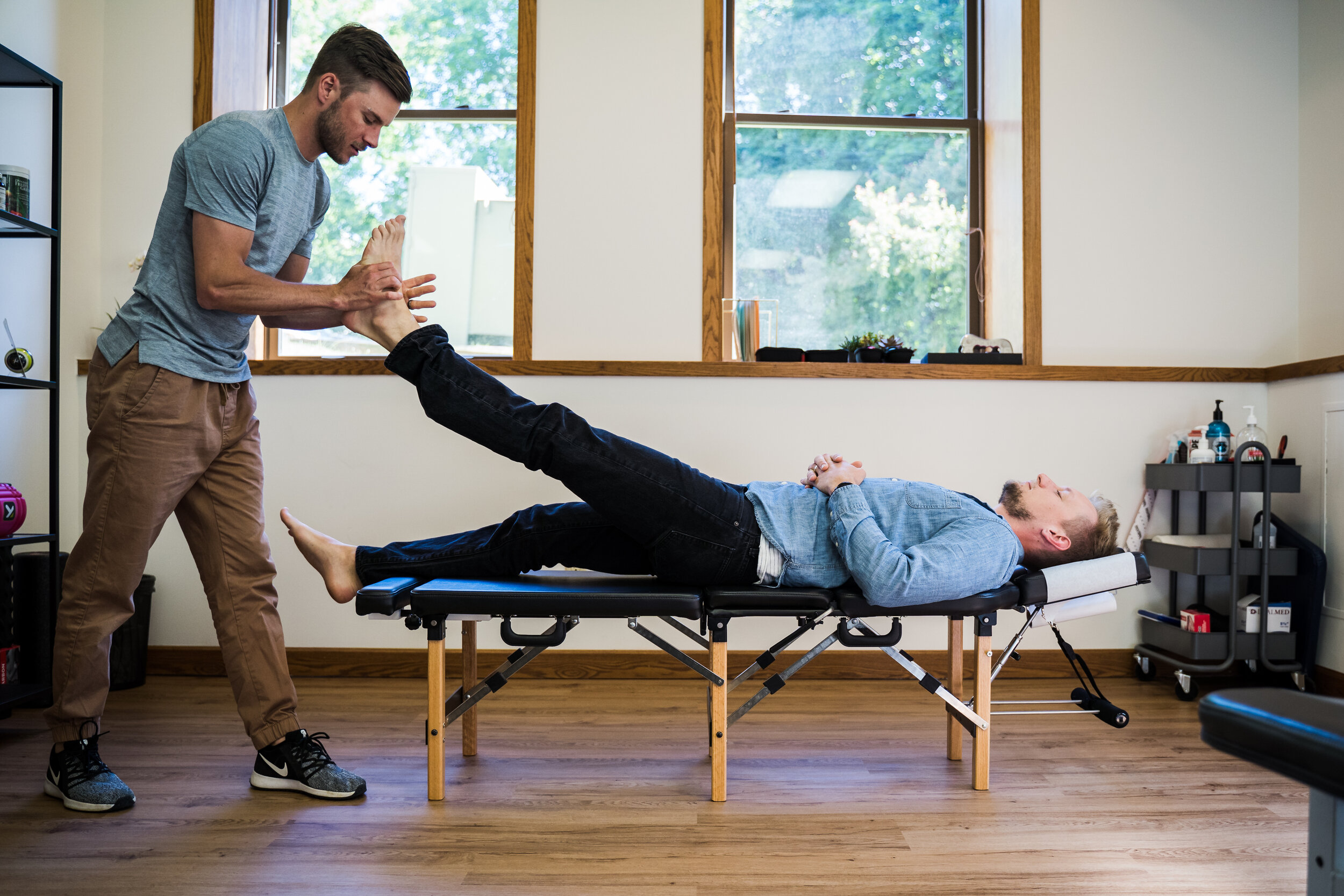
Common Symptoms of an Ankle Sprain:
Swelling around the ankle
Bruising on the inside or outside of the foot
Pain while walking or pushing off
Difficulty balancing on one foot
Instability or feeling like the ankle may “give out”
Tenderness along the ligaments
Stiffness after sitting
Limping during walking or running
Pain with stairs, cutting, jumping, or pivoting
Reduced athletic performance after a previous ankle injury
One of the biggest red flags we see?
People saying “I sprained this ankle years ago and it’s never quite felt the same since.”
That’s usually a sign the ankle never fully regained stability, strength, or proprioception (your body’s awareness of joint position).

What Is an Ankle Sprain?
An ankle sprain occurs when the ligaments surrounding the ankle are stretched or torn beyond their normal capacity.
The Most Common Type:
Inversion Ankle Sprain
This is the classic “rolled ankle.”
The outside (lateral) portion of the ankle gets overloaded when the foot rolls inward and your body weight shifts over the outside edge of the foot.
This commonly injures:
Anterior Talofibular Ligament (ATFL)
Calcaneofibular Ligament (CFL)
Common causes:
Basketball
Volleyball
Pickleball
Trail running
Golf course terrain
Hockey
Stepping off curbs
Uneven backyard ground
Slippery docks or ice
Eversion Ankle Sprain
Less common, but often more severe.
This occurs when the ankle collapses inward and stresses the inside (medial) ligaments of the ankle.
These sprains are more commonly associated with:
High-force twisting injuries
Contact sports
Skiing
Football
Significant instability
Grades of Ankle Sprains
Grade 1 Ankle Sprain
Mild stretching of the ligament with:
Mild swelling
Tenderness
Slight stiffness
Minimal instability
Typical recovery:
1–3 weeks with proper rehab.
Grade 2 Ankle Sprain
Partial tearing of the ligament.
Symptoms often include:
Moderate swelling
Bruising
Limping
Pain with walking
Loss of balance/stability
Typical recovery:
4–8 weeks depending on severity and rehab consistency.
Grade 3 Ankle Sprain
Complete ligament tear with:
Significant bruising
Severe swelling
Instability
Inability to walk normally
Possible associated fractures or cartilage injury
Typical recovery:
8–16+ weeks and may require imaging or orthopedic referral.
FAQs
Can a chiropractor help with ankle sprains?
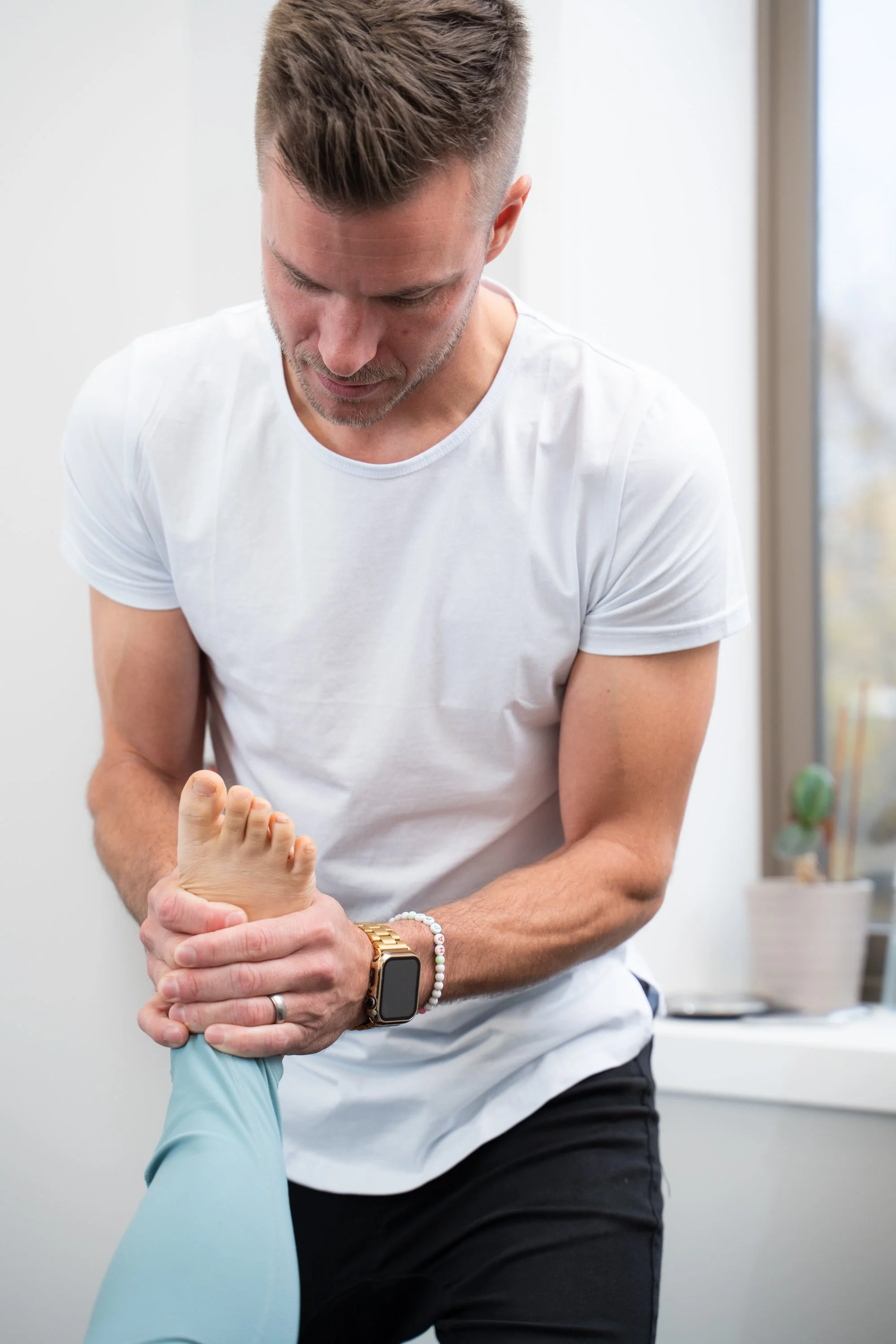
Absolutely. Sports Chiropractors are highly trained in treating extremity injuries including ankle sprains, tendon injuries, gait dysfunction, and return-to-sport rehab.
Should I walk on a sprained ankle?
Depends on severity. Mild sprains may tolerate modified walking early, while more severe injuries may require temporary unloading.
Why does my ankle keep rolling?
Usually because stability, proprioception, and strength were never fully restored after a previous injury.
What’s the difference between a sprain and a strain?
A sprain involves ligaments.
A strain involves muscles or tendons.
Do ankle sprains require surgery?
Most ankle sprains recover very well with conservative treatment and rehab. Severe instability or associated fractures may require orthopedic evaluation.
Why Ankle Sprains Keep Coming Back
Here’s the harsh truth:
The #1 predictor of future ankle sprains is a history of previous ankle sprains.
Why?
Because most people stop rehab once the pain decreases.
But pain-free does NOT mean fully recovered.
After a sprain, the ankle often loses:
Stability
Strength
Balance
Joint awareness/proprioception
Proper gait mechanics
That’s why many athletes continue feeling:
“Loose ankles”
Weak push-off
Limited confidence cutting or jumping
Repeated tweaks during sports
This is exactly why rehab matters. And that’s what we’re here for.
Sports Chiropractic Treatment for Ankle Sprains
Extremity Adjustments & Joint Mobilization
Improves ankle mechanics and restores proper movement of the ankle mortise joint.
Manual Muscle Therapy
Reduces guarding and improves tissue quality around the ankle and calf.
Active Release Technique (ART)
Targets adhesions and scar tissue within injured tissues.
Functional Dry Needling
Improves tissue mobility by decreasing tightness or tautness and promotes blood flow for healing factors.
Instrument Assisted Soft Tissue Mobilization (IASTM)
Using RockBlades or Graston tools to improve healing and tissue remodeling.
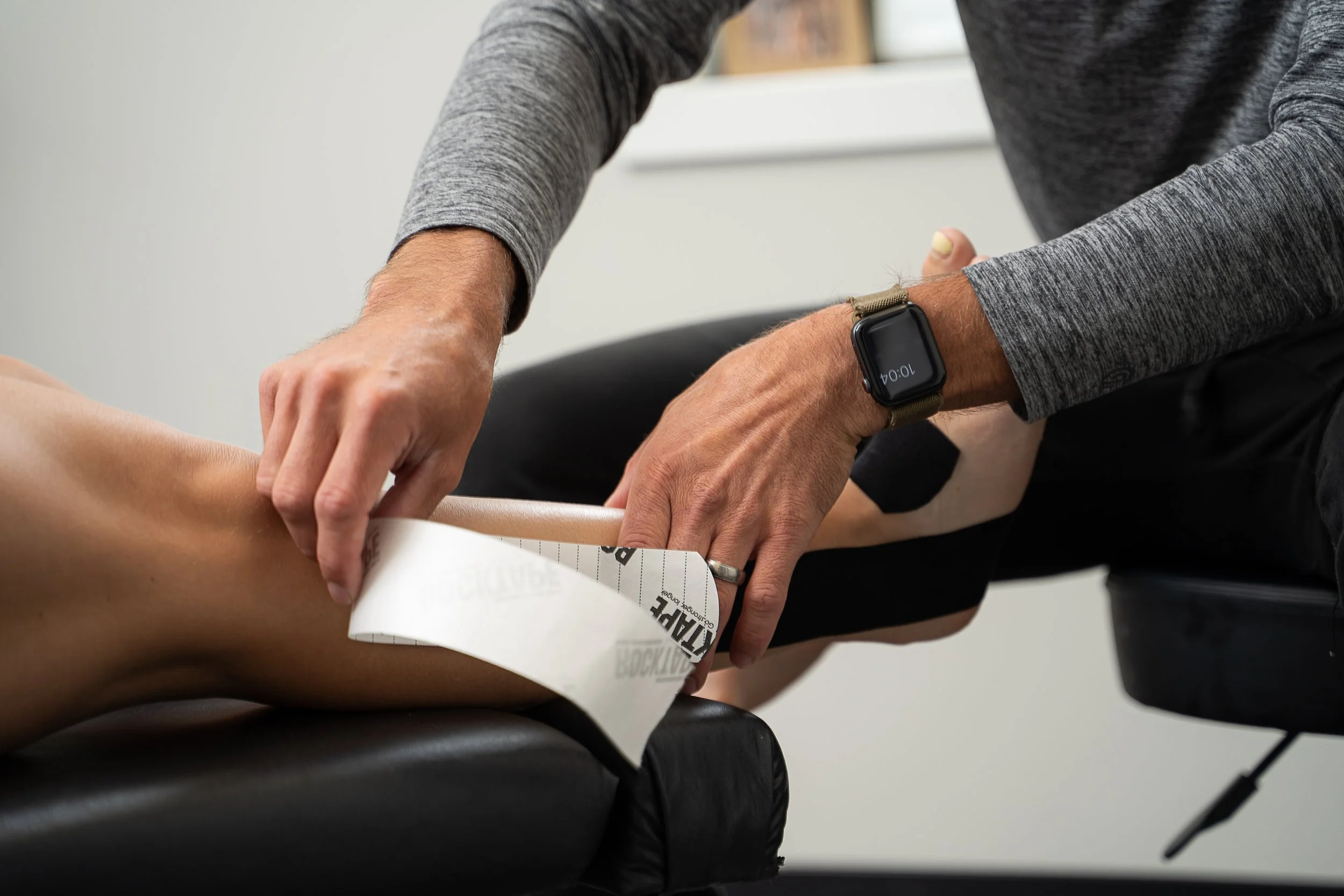
RockTape Kinesiology Taping
Helpful for swelling management, proprioception, and movement support.
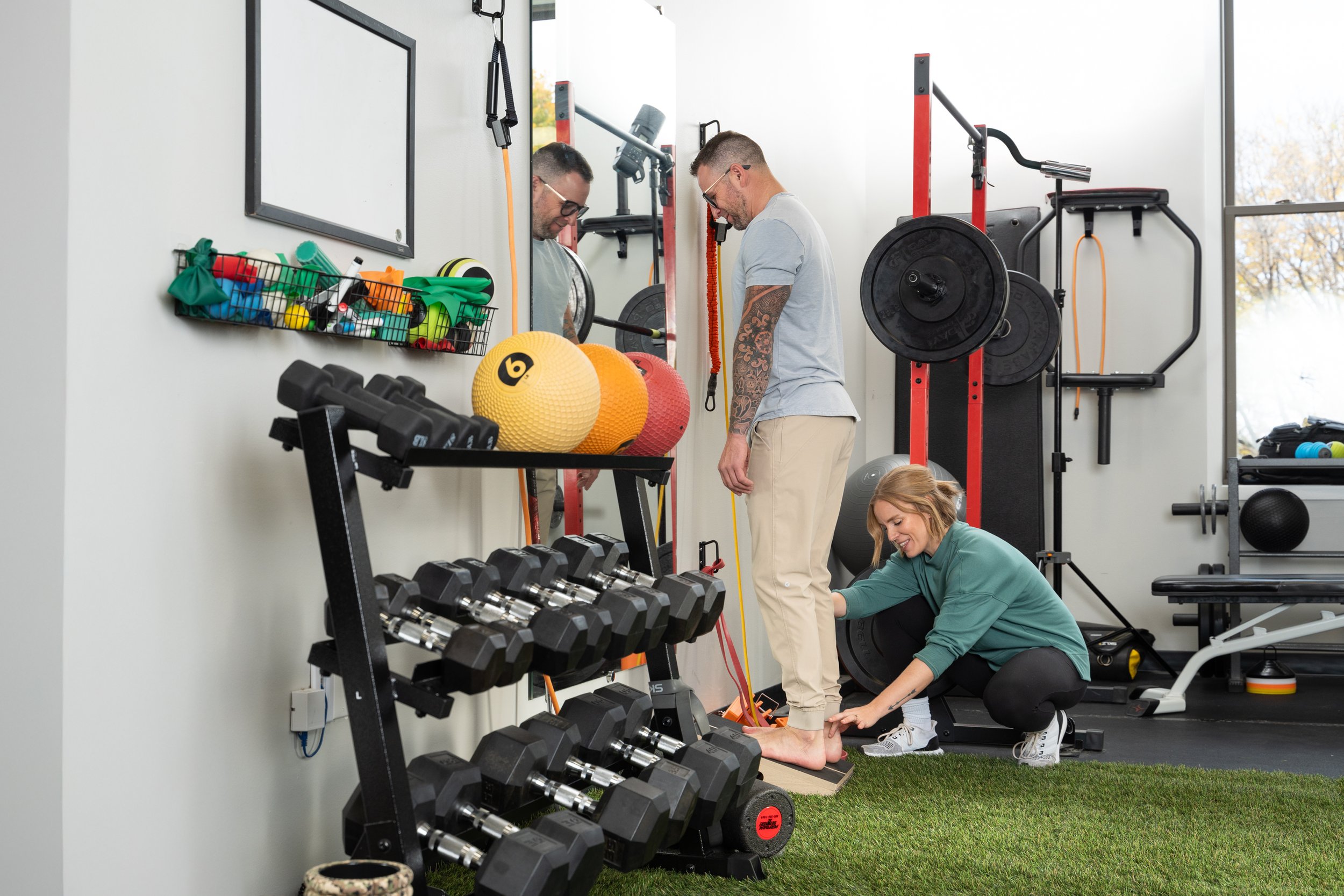
Corrective Exercise Rehabilitation
The most important long-term piece of recovery.
We focus heavily on:
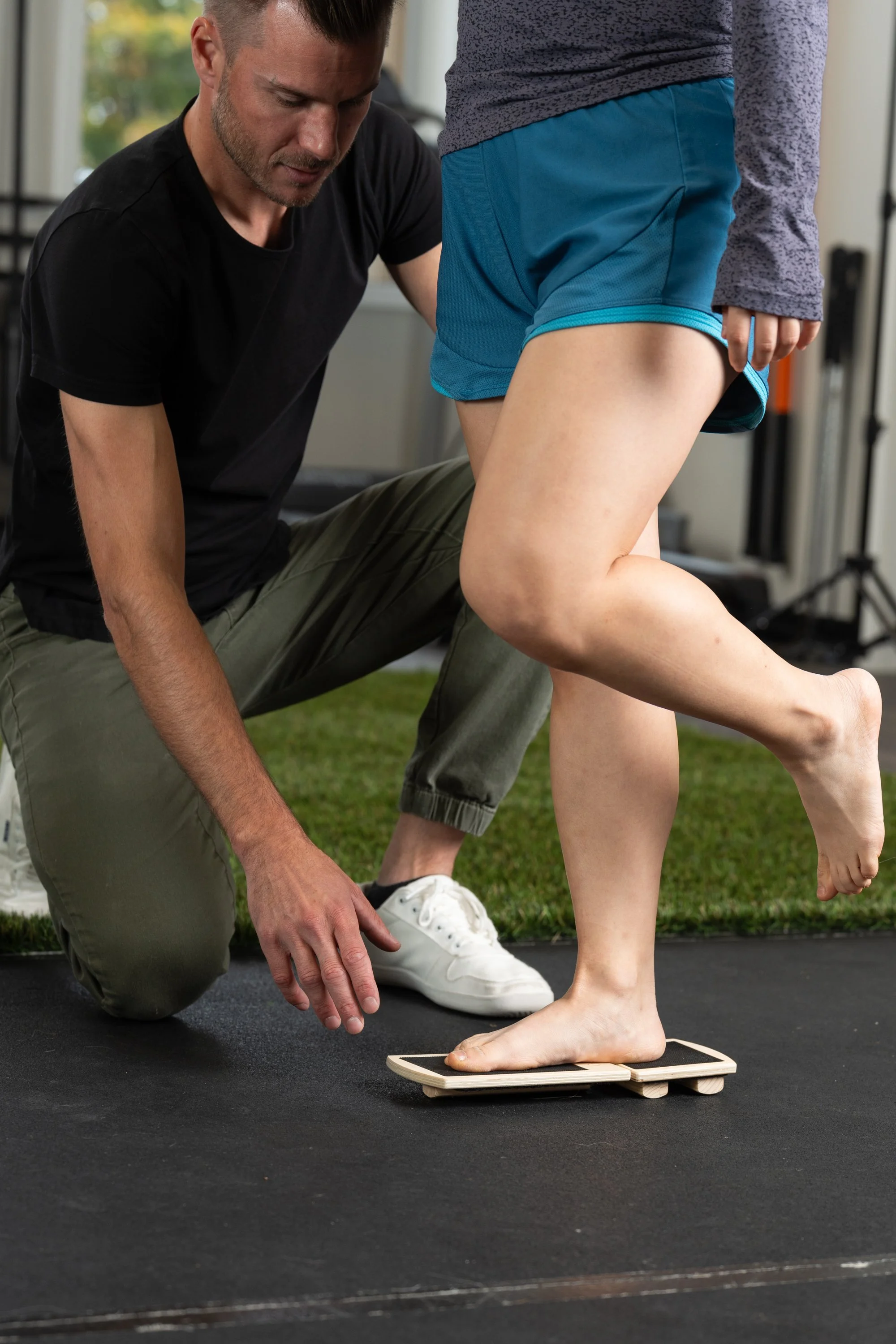
Balance
Stability
Single-leg control
Force absorption
Foot mechanics
Return-to-sport movement patterns
At-Home Recovery Strategies
Specific guidance for:
Swelling reduction
Compression
Movement tolerance
Activity modification
Safe return to training
Common Conditions That Mimic Ankle Sprains
Sometimes people think they “just rolled their ankle” when the issue might actually be:
Peroneal Tendonitis
High Ankle Sprain (Syndesmotic Injury)
Achilles Tendonitis
Stress Fracture
Cuboid Syndrome
Posterior Tibialis Dysfunction
Sinus Tarsi Syndrome
Midfoot Sprain
Nerve Entrapment
Chronic Ankle Instability
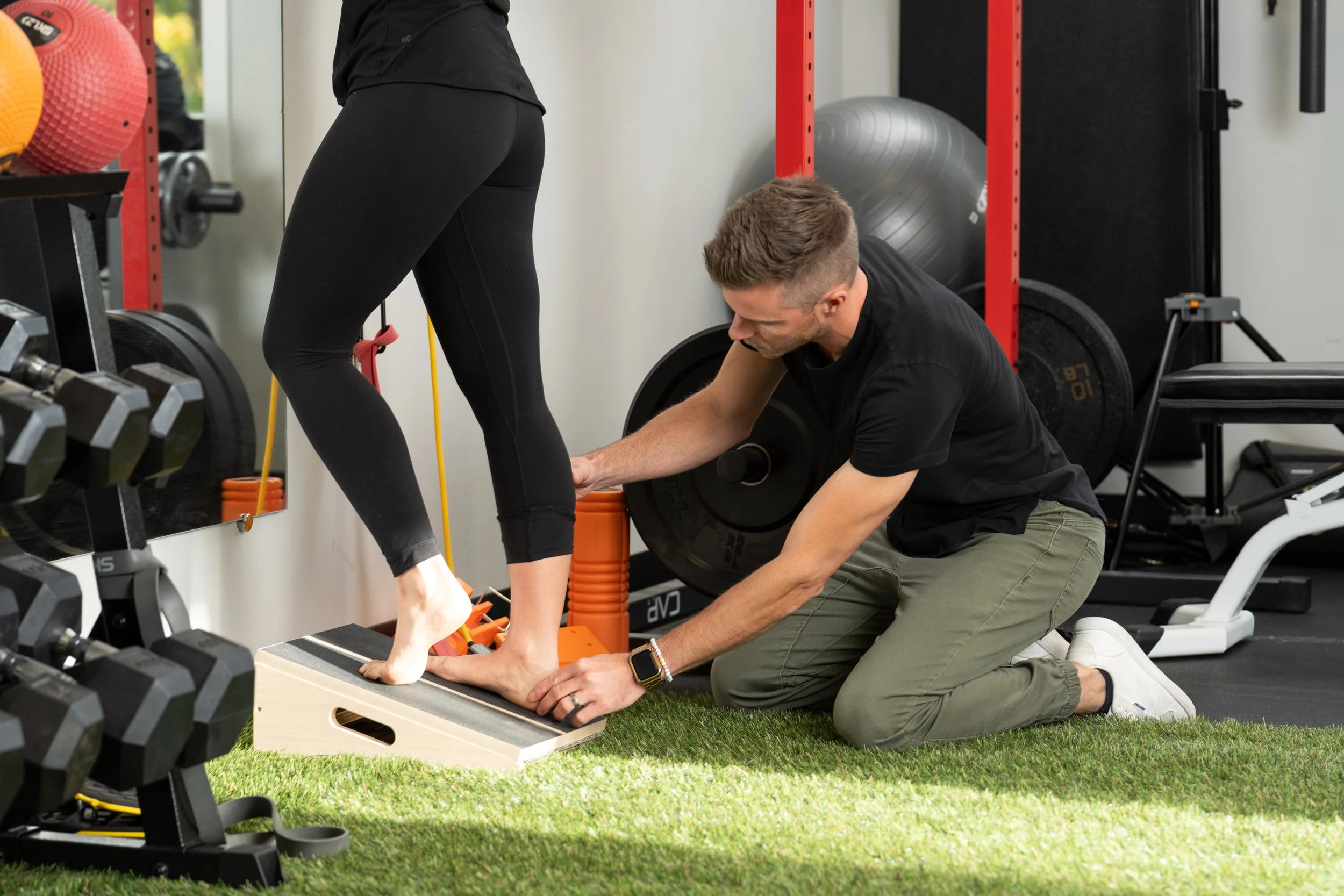
Ankle Sprain Rehab Exercises and Concepts we Utilize:
Eccentric Calf Raises: Builds lower leg strength and improves force transfer.
Forefoot Tripod Drills: Improves foot control and arch stability.
Banded Ankle Eversion: Targets lateral ankle stabilizers often weakened after inversion sprains.
Forefoot Pogos: Helps to recover that “pop” through the ankle when we’re looking to return to sport
What to Expect During Recovery
Most mild ankle sprains improve quickly when treated appropriately.
General Recovery Timelines:
Mild sprains: 1–3 weeks
Moderate sprains: 4–8 weeks
Severe sprains: 8–16+ weeks
However…
Chronic instability cases can take longer because we’re not just calming inflammation - we’re rebuilding movement quality and confidence.
Our goal isn’t just “less pain.” It’s getting you back to:
Running
Golfing
Skiing
Lifting
Pickleball
Hockey
Volleyball
Training confidently again
Don’t Let a “Minor” Ankle Sprain Become a Chronic Problem
If your ankle still feels stiff, unstable, swollen, weak, or painful weeks after rolling it - your body is telling you something.
The Sports Chiropractors at Minnesota Movement in Excelsior help athletes and active adults recover from ankle injuries the right way the first time.