
Sports Chiropractic Care for Tennis Elbow (Lateral Epicondylitis)
Tennis elbow — clinically known as lateral epicondylitis — is one of the most common overuse injuries we see in active adults, athletes, and high performers. Despite the name, you don’t need to touch a tennis (or pickleball) racket to develop it.
At Minnesota Movement Sports Chiropractic, our job isn’t to just calm symptoms. It’s to figure out why your elbow is overloaded in the first place — and fix the upstream problem so this doesn’t become a recurring cycle. Rest and Ice doesn’t heal the elbow - it just prolongs the symptoms with temporary relief
What Is Tennis Elbow (Really)?
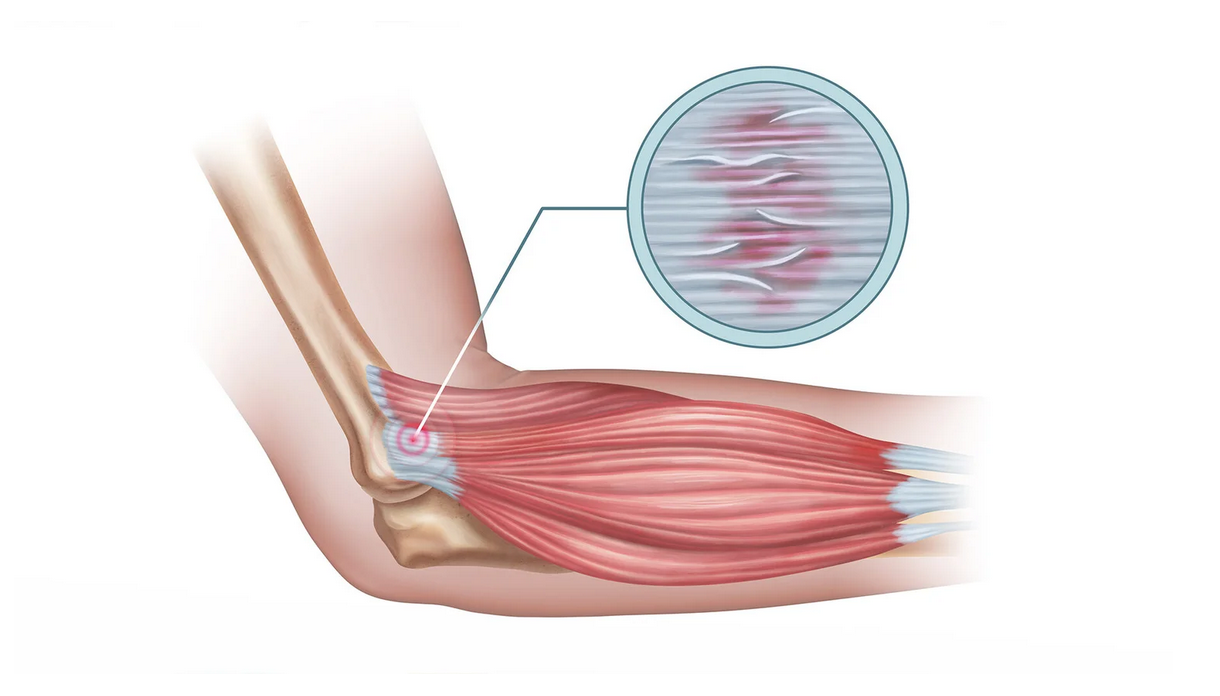
Tennis elbow occurs when the tendons that anchor the wrist and finger extensor muscles to the outside of the elbow are stressed beyond their capacity. Over time, this leads to irritation, micro-tearing, and eventually degeneration of the tendon tissue (epicondylosis) if left untreated.
Important distinction:
1. This is not primarily an elbow problem.
2. It’s usually a wrist, grip, shoulder, or workload-management issue showing up at the elbow.
That’s why random rest, braces, or injections often fail long-term.
Common Symptoms We See
Aching or sharp pain on the outside of the elbow
Pain with gripping, lifting, or shaking hands
Discomfort when typing, using a mouse, or holding a phone
Weak grip strength - whether that’s tennis or golf or pickle ball
Pain that worsens after activity — not always during it
Common Causes & Mechanisms of Injury
Tennis elbow is almost always a load management issue, not a one-time injury.
Common contributors include:
Repetitive gripping (tennis, CrossFit, golf, pickleball)
Heavy lifting without adequate wrist or shoulder support
Poor keyboard or mouse ergonomics
Sudden increases in training volume (too much too soon)
Limited shoulder or thoracic mobility forcing the elbow to overwork
How We Treat Tennis Elbow at Minnesota Movement
This is where we separate ourselves from generic chiropractic clinics.
Our treatment approach may include:
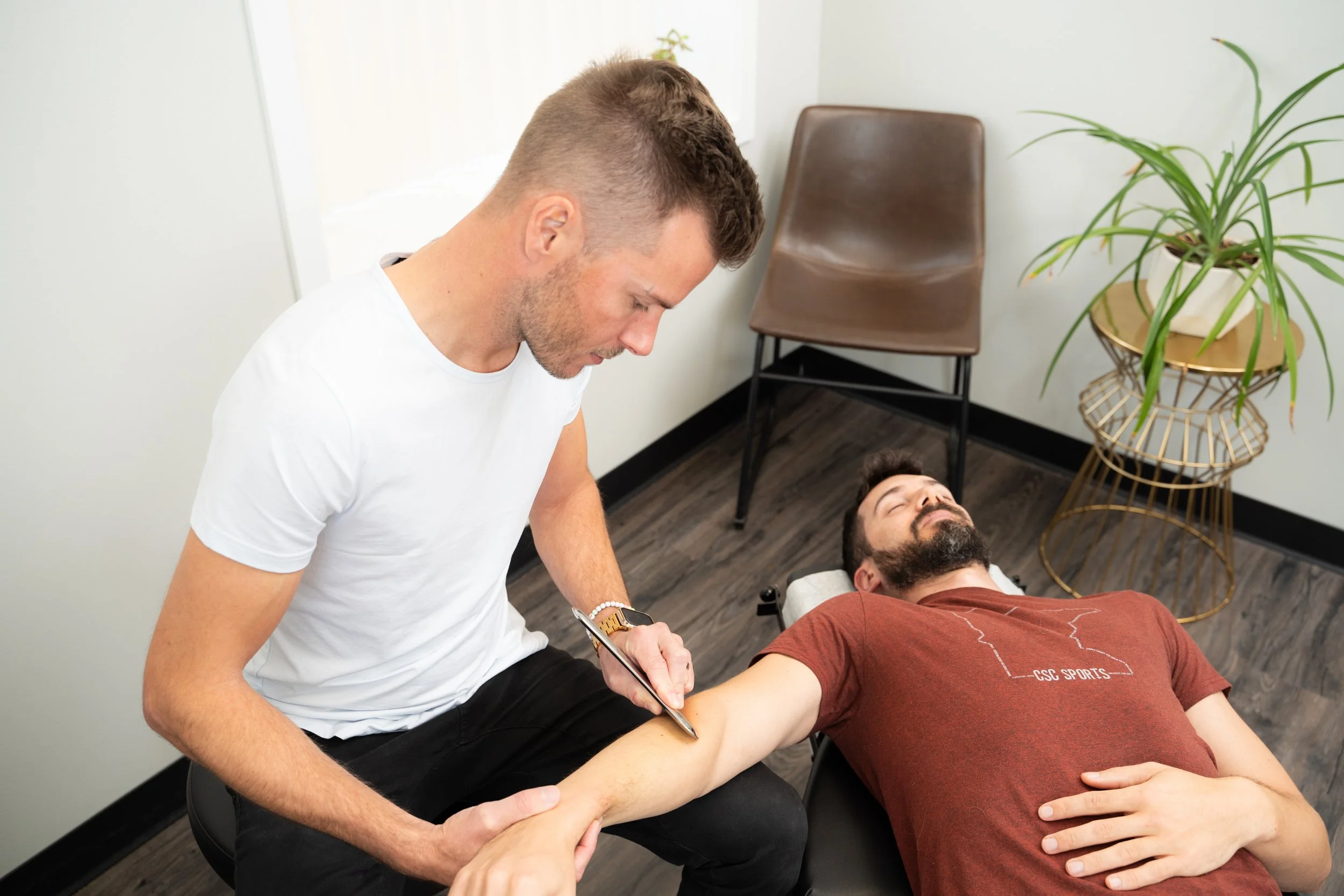
Active Release Technique (ART) for forearm and upper limb tension
Manual Muscle Therapy to reduce guarding and restore tissue quality
Eccentric loading exercises to rebuild tendon capacity
Instrument Assisted Soft Tissue Mobilization (Graston / RockBlades)
RockFloss compression to improve tissue tolerance
Functional dry needling for stubborn trigger points
Extremity adjustments to the elbow, wrist, or shoulder when warranted
RockTape for proprioceptive feedback during activity
FAQ – Tennis Elbow
Is tennis elbow the same as golfer’s elbow?
No. Golfer’s elbow affects the inside of the elbow (medial epicondylitis).
Do I need imaging?
Most cases don’t. We assess clinically and refer out only when needed.
Can I keep training while recovering?
Often yes — with smart modifications.
Do braces help?
Short-term relief at best. They don’t fix the cause.