Posts tagged excelsior mn
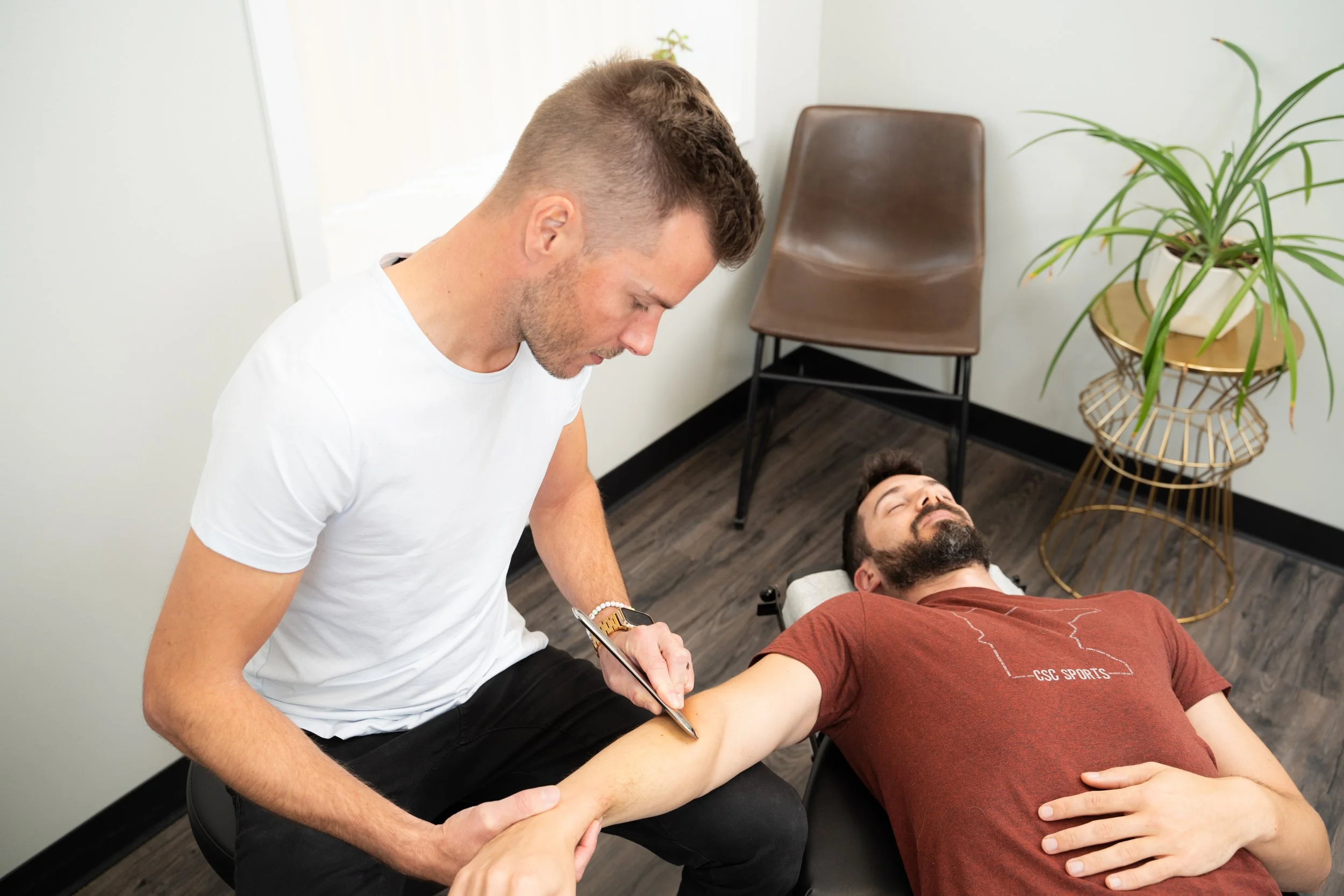
Sports Chiropractic Care for Tennis Elbow (Lateral Epicondylitis)

Tennis elbow — clinically known as lateral epicondylitis — is one of the most common overuse injuries we see in active adults, athletes, and high performers. Despite the name, you don’t need to touch a tennis (or pickleball) racket to develop it!

Tennis elbow occurs when the tendons that anchor the wrist and finger extensor muscles to the outside of the elbow are stressed beyond their capacity. Over time, this leads to irritation, micro-tearing, and eventually degeneration of the tendon tissue (epicondylosis) if left untreated.

Read More
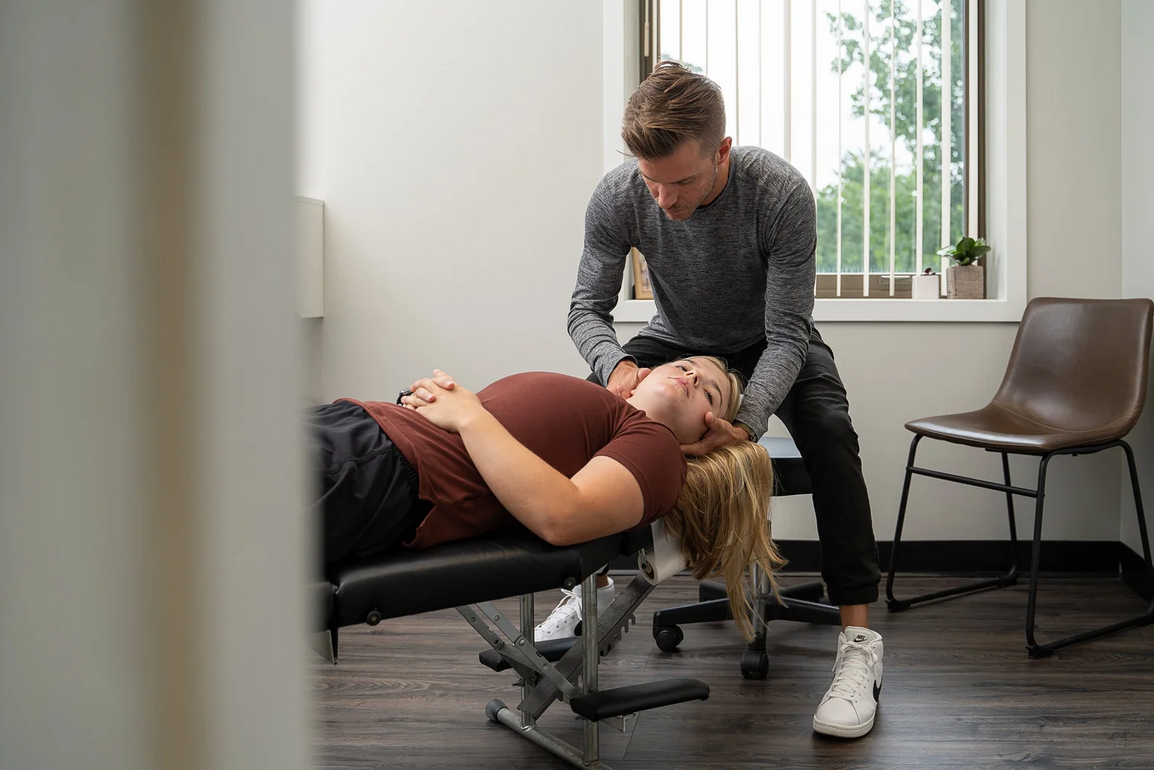
Concussions / Whiplash / Head Trauma

If you play sports long enough, your neck is eventually going to hate you at some point. Between headers in soccer, wrestling takedowns, a bad fall on the ski hill, or that one pick-up basketball game where your buddy forgot how gravity works—athletes take some wild hits. And while “whiplash” sounds like a car-accident problem, the truth is this: sports create more neck sprains, concussions, and lingering headaches than half of the fender-benders happening in Minnesota.

Read More
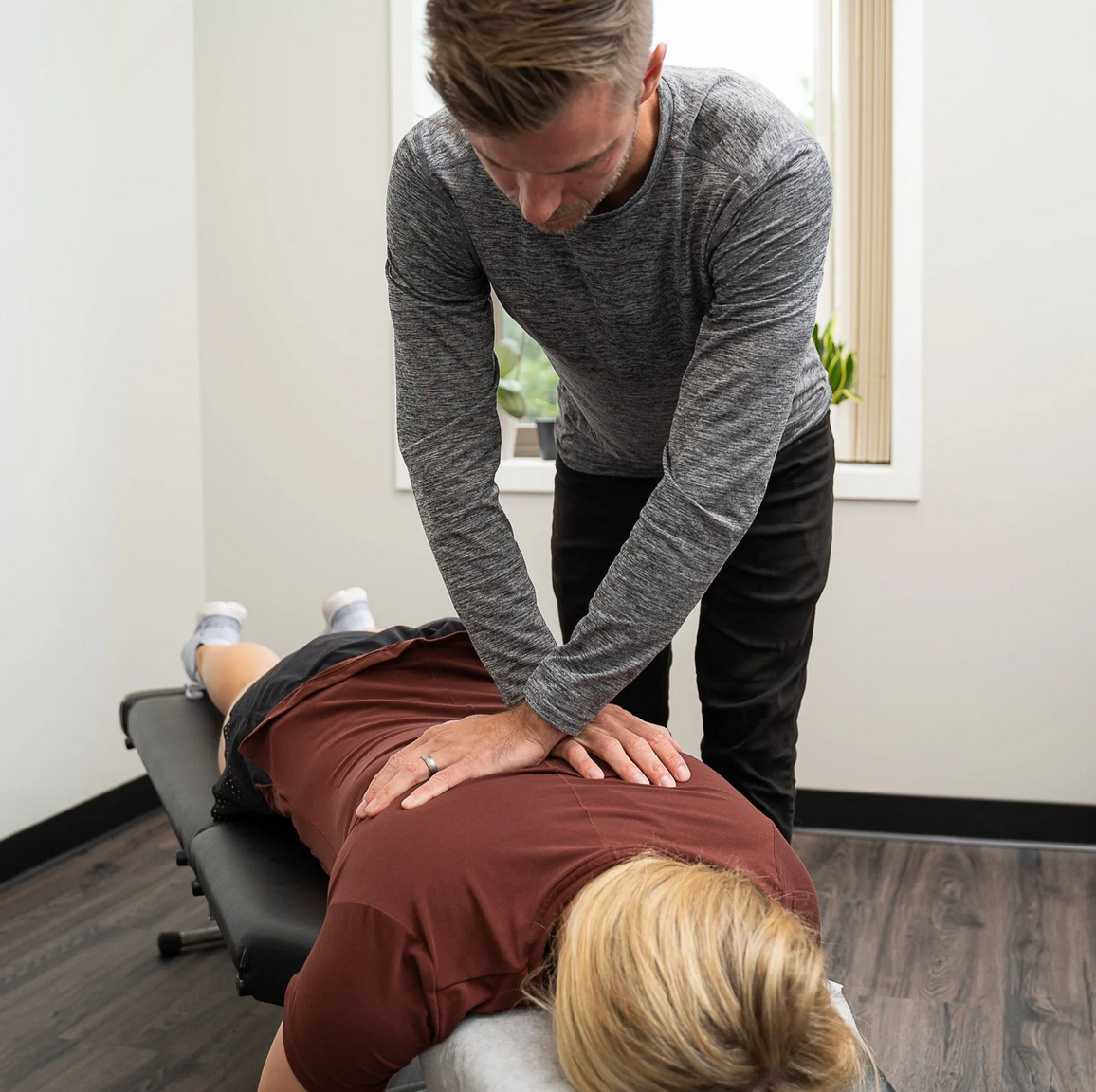
The "P" Word / Don't blame your Desk for your Bad Posture

Postural pain doesn’t care if you’re an athlete or a desk worker — it shows up when your body spends too much time in one position without the strength or mobility to support it.
After all, the only “bad” posture is one that we spend too much time in.
Sixty hours slouched at a desk will hurt you.
So will sixty hours standing without support.
The problem isn’t posture — it’s lack of variability and poor control.Changing posture takes intention, strategy, and real work — not temporary fixes like a new chair or a posture brace that collects dust after two weeks.

Read More
Anterior Pelvic Tilt / Lower Crossed Syndrome

You know that feeling when your low back is constantly tight, your hips ache after sitting too long, and no amount of stretching seems to fix it? Yeah… that might not just be “getting older” — it could be Lower Crossed Syndrome (aka the lazy glutes + tight hip flexors combo). At Minnesota Movement, we see this all the time — from weekend warriors to high-level athletes.

The good news? This is totally fixable — and faster than you’d think. Whether it’s from sitting all day, training hard without mobility work, or just years of bad movement habits, we’ll help you figure out why your body got here and teach it how to move the right way again.

So if you’ve ever caught yourself wondering why your posture looks more “Instagram slouch” than “Olympic sprinter,” don’t worry — we’ve got you (and your pelvis) covered.

Read More
Creatine / What is it? Who should take it? Why should we take it?

Creatine, in the most basic explanation possible, is a native molecule that provides energy to muscles so that they can contract/flex/engage. It comes from amino acids (building blocks of protein) which means you can get it through diet as well as your body producing a certain amount of it for you. There are numerous citations that claim that we do not currently get enough in our diet (average American Diet) which is where supplementation with Creatine Monohydrate comes into play. 

Read More
What is Cortisol? A Trendy Influencer Topic or Just Another Hormone?

While cortisol as a whole is often demonized in health and wellness circles, it’s clear that this hormone plays an essential yet complex role in the body. The key is not to eliminate cortisol but to maintain balance. Good news is that we can train for this! Kind of like the classic Goldilocks and the Three Bears story - we don’t want too little and we don’t want too much - we want jusssst the right amount. And we especially want the right amount at the right time! There are tactics we can explore to push the threshold of tolerance higher (or lower) depending on the individual.
Acute stressors—like exercise, goal-setting, and trying something new—can trigger healthy spikes in cortisol that ultimately benefit the body and mind. However, chronic stress, negative emotions, and poor lifestyle habits can lead to prolonged high cortisol levels, which have detrimental effects on health.

Read More