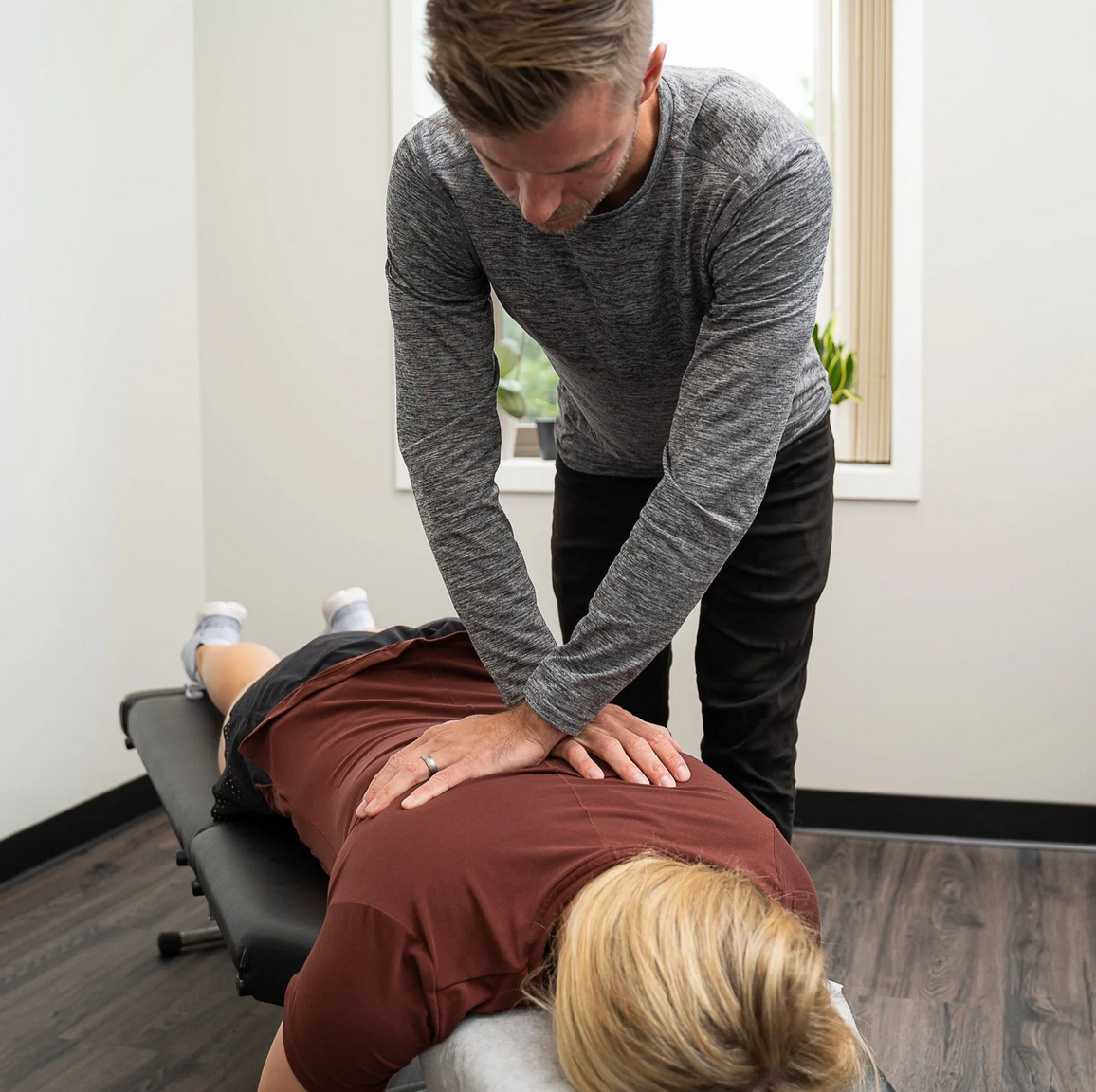
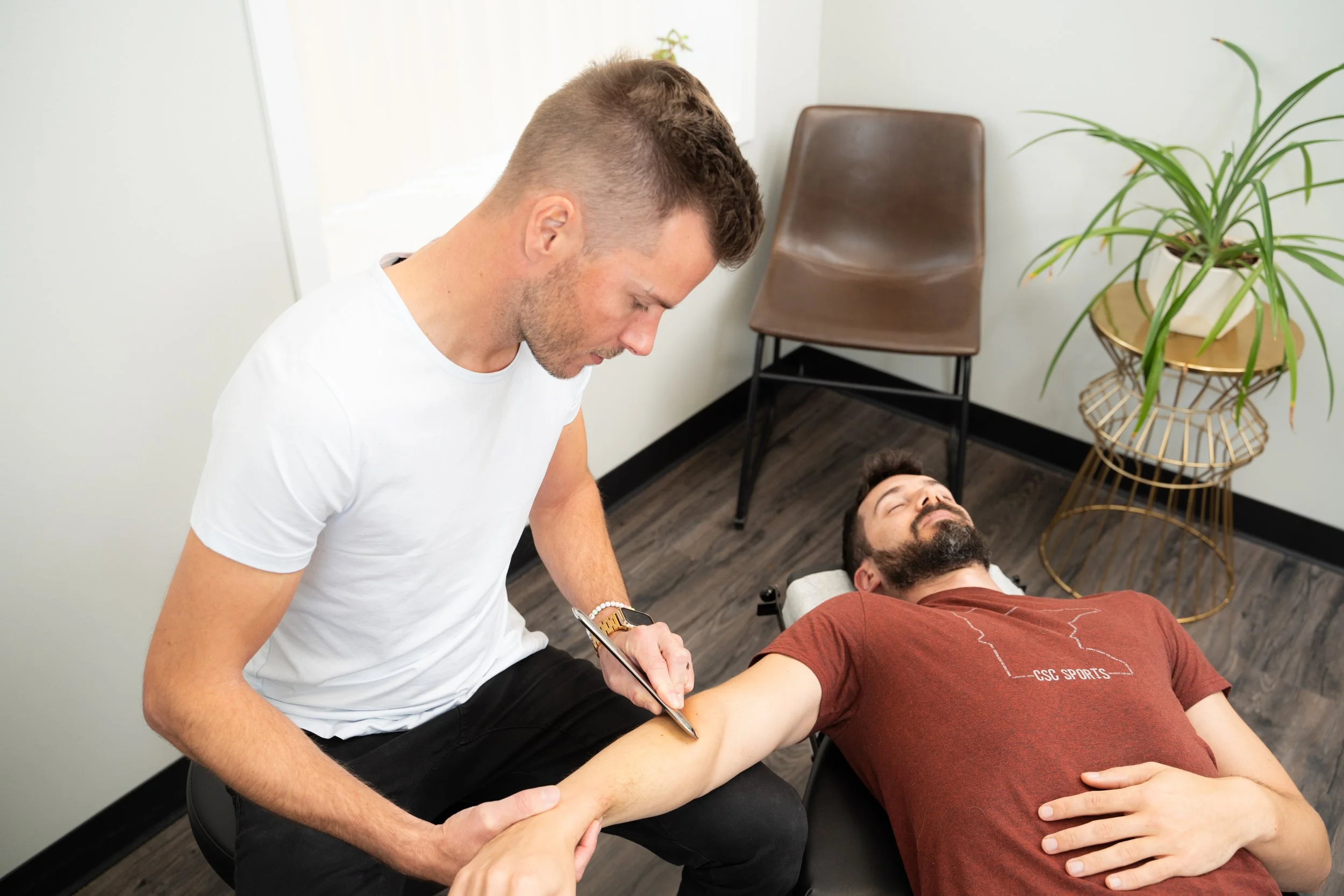
Postural pain doesn’t care if you’re an athlete or a desk worker — it shows up when your body spends too much time in one position without the strength or mobility to support it.
After all, the only “bad” posture is one that we spend too much time in.
Sixty hours slouched at a desk will hurt you.
So will sixty hours standing without support.
The problem isn’t posture — it’s lack of variability and poor control.Changing posture takes intention, strategy, and real work — not temporary fixes like a new chair or a posture brace that collects dust after two weeks.
It is difficult to pinpoint the direct cause of runner’s knee. In its basic form, runner’s knee occurs when that precious cartilage under your kneecap breaks down and is worn to the point where it is no longer protective, causing pain. Or, it can happen because your gait or biomechanics are off causing uneven tracking of the patella and resulting in uneven wear and tear. You may develop it because of an injury but the biggest culprit is overuse. You will notice knee pain during even the simplest activities like using stairs, squatting, and kneeling. So for those of you who live an active lifestyle, pay close attention to your knees.
Read MorePlantar fasciitis occurs when tiny tears develop in the connective tissue (called the plantar fascia) along the bottom of the foot. This often leads to sharp, stabbing pain in the heel—especially first thing in the morning or after long periods of standing or walking.
Plantar fasciitis is one of the most common and frustrating causes of foot pain—especially for runners, walkers, and active individuals in the Lake Minnetonka area. At Minnesota Movement Sports Chiropractic in Excelsior, we go beyond simply treating symptoms. We help you uncover the real cause of your plantar fasciitis so you can move pain-free again for the long term. Not just relief - RESULTS.
Read MoreCreatine, in the most basic explanation possible, is a native molecule that provides energy to muscles so that they can contract/flex/engage. It comes from amino acids (building blocks of protein) which means you can get it through diet as well as your body producing a certain amount of it for you. There are numerous citations that claim that we do not currently get enough in our diet (average American Diet) which is where supplementation with Creatine Monohydrate comes into play.
Read MoreWhile cortisol as a whole is often demonized in health and wellness circles, it’s clear that this hormone plays an essential yet complex role in the body. The key is not to eliminate cortisol but to maintain balance. Good news is that we can train for this! Kind of like the classic Goldilocks and the Three Bears story - we don’t want too little and we don’t want too much - we want jusssst the right amount. And we especially want the right amount at the right time! There are tactics we can explore to push the threshold of tolerance higher (or lower) depending on the individual.
Acute stressors—like exercise, goal-setting, and trying something new—can trigger healthy spikes in cortisol that ultimately benefit the body and mind. However, chronic stress, negative emotions, and poor lifestyle habits can lead to prolonged high cortisol levels, which have detrimental effects on health.
Remember back in high school or college when you’d have to write a paper for an assignment? Even if it was just 500 words, starting the paper was always the hardest. I’m not alone in that feeling, right?
It’s interesting, because the same issue is often felt with any intimidating or daunting task we need or want to pursue in life.
But when it comes to ACTION, we generally falter after a few good college tries. This is the difference between motion and action.
Motions are strategizing, planning, and learning. And at the end of the day it doesn’t matter how much you do any of those things - they don’t produce results. Action on the other hand is what delivers an outcome.