
If your neck always feels tight, your shoulders sit forward, and headaches keep creeping in - it’s probably not “just stress” and nor was it likely caused by “sleeping wrong.”
It’s usually a pattern.
At Minnesota Movement, we see this every day in athletes, executives, and anyone spending long hours at a desk or on their phone. It’s called Upper Cross Syndrome, and it’s one of the biggest drivers of chronic neck tension, poor posture, and recurring headaches.
We don’t just tell you to “sit up straight.”
We fix the reason your body can’t hold that position in the first place.
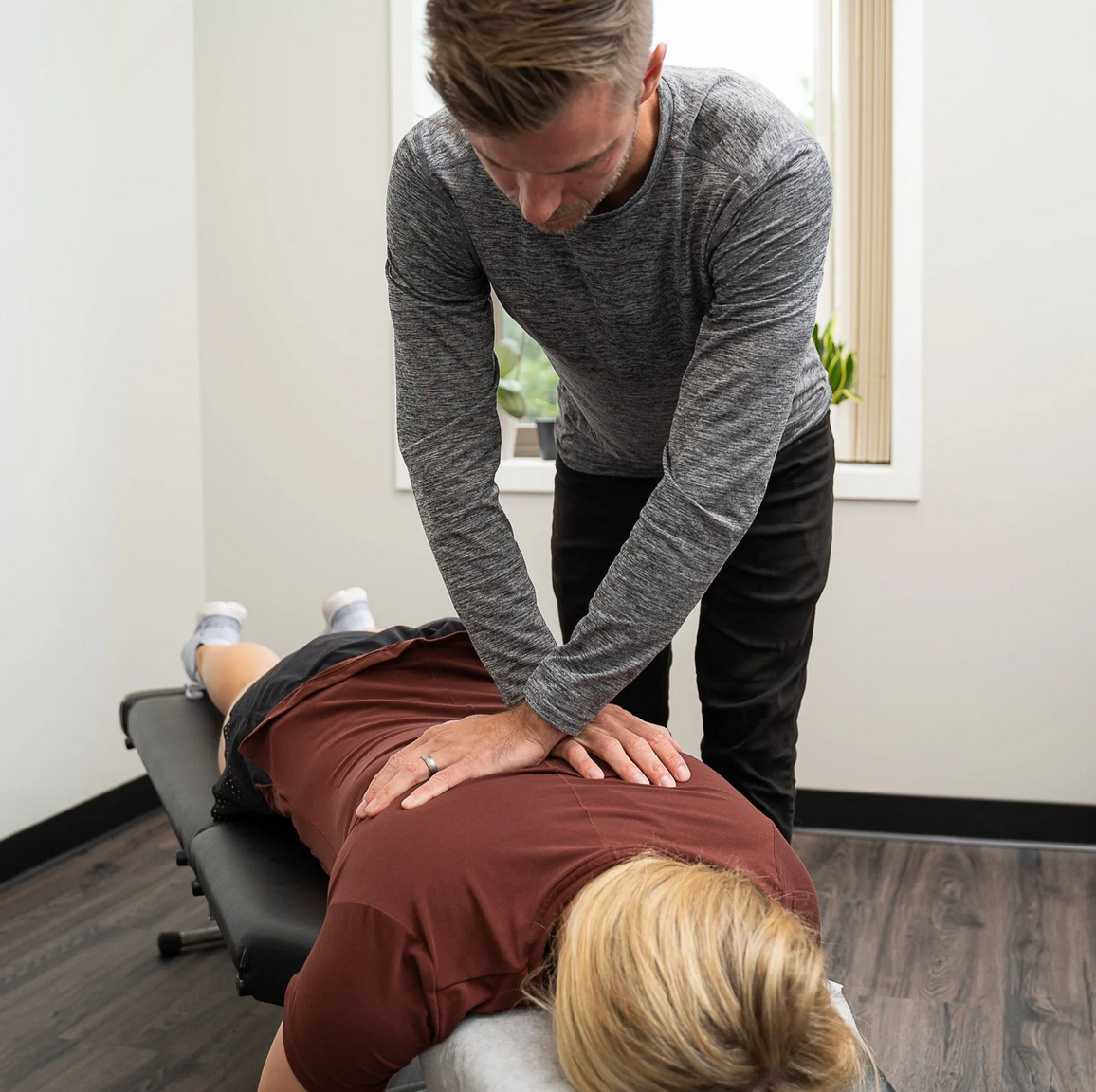
Postural pain doesn’t care if you’re an athlete or a desk worker — it shows up when your body spends too much time in one position without the strength or mobility to support it.
After all, the only “bad” posture is one that we spend too much time in.
Sixty hours slouched at a desk will hurt you.
So will sixty hours standing without support.
The problem isn’t posture — it’s lack of variability and poor control.Changing posture takes intention, strategy, and real work — not temporary fixes like a new chair or a posture brace that collects dust after two weeks.
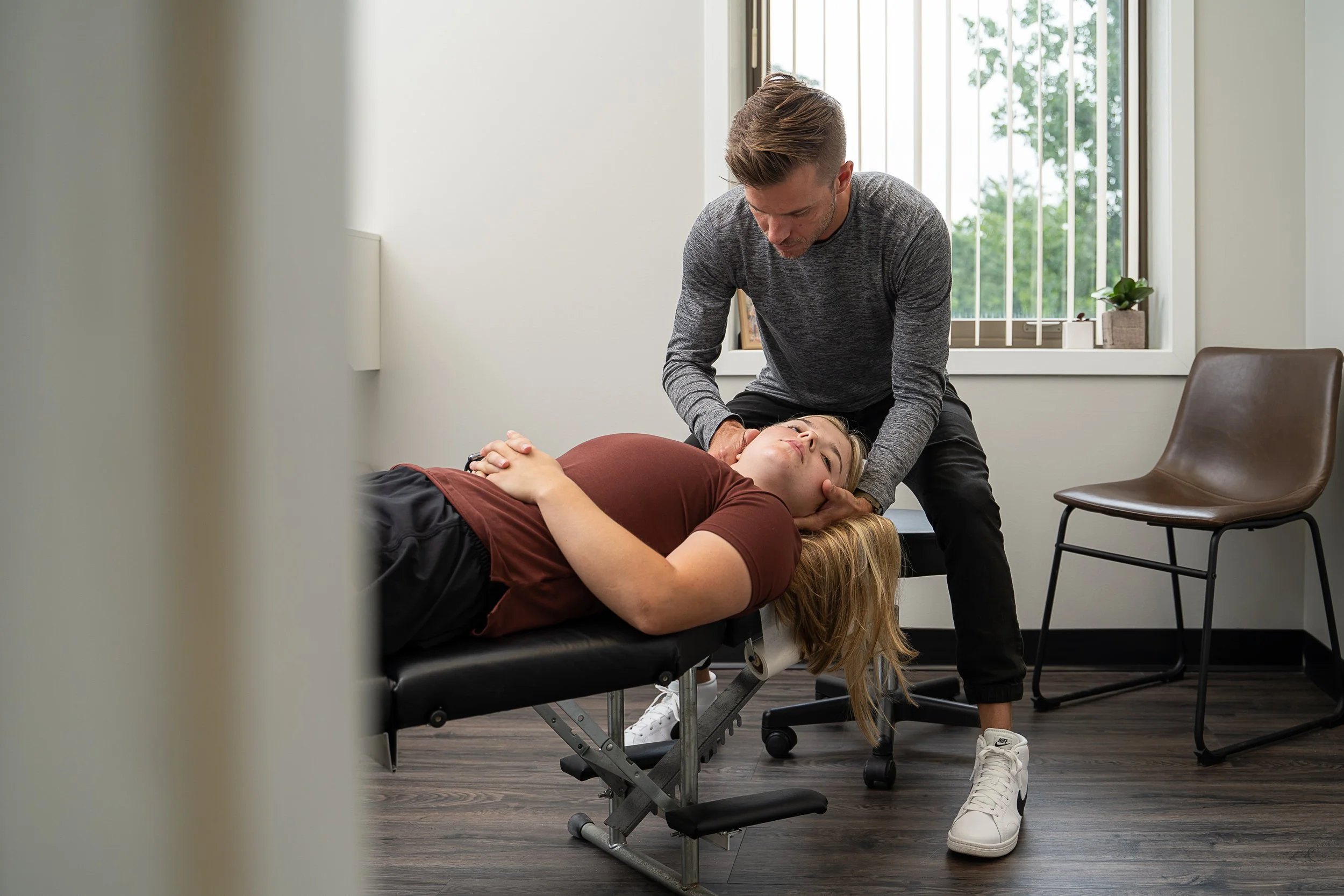
If you woke up with a neck that feels like it aged 40 years overnight… welcome to the club nobody wants to be in. Neck pain is one of the top reasons people land in a chiropractor’s office — but here’s the truth most clinics don’t say out loud:
Not all neck pain is created equal — and not all providers know how to actually fix it.
Our job is simple: figure out the real reason your neck hurts and fix it with a plan that actually works.
(Psst! The root cause may not be your neck!)
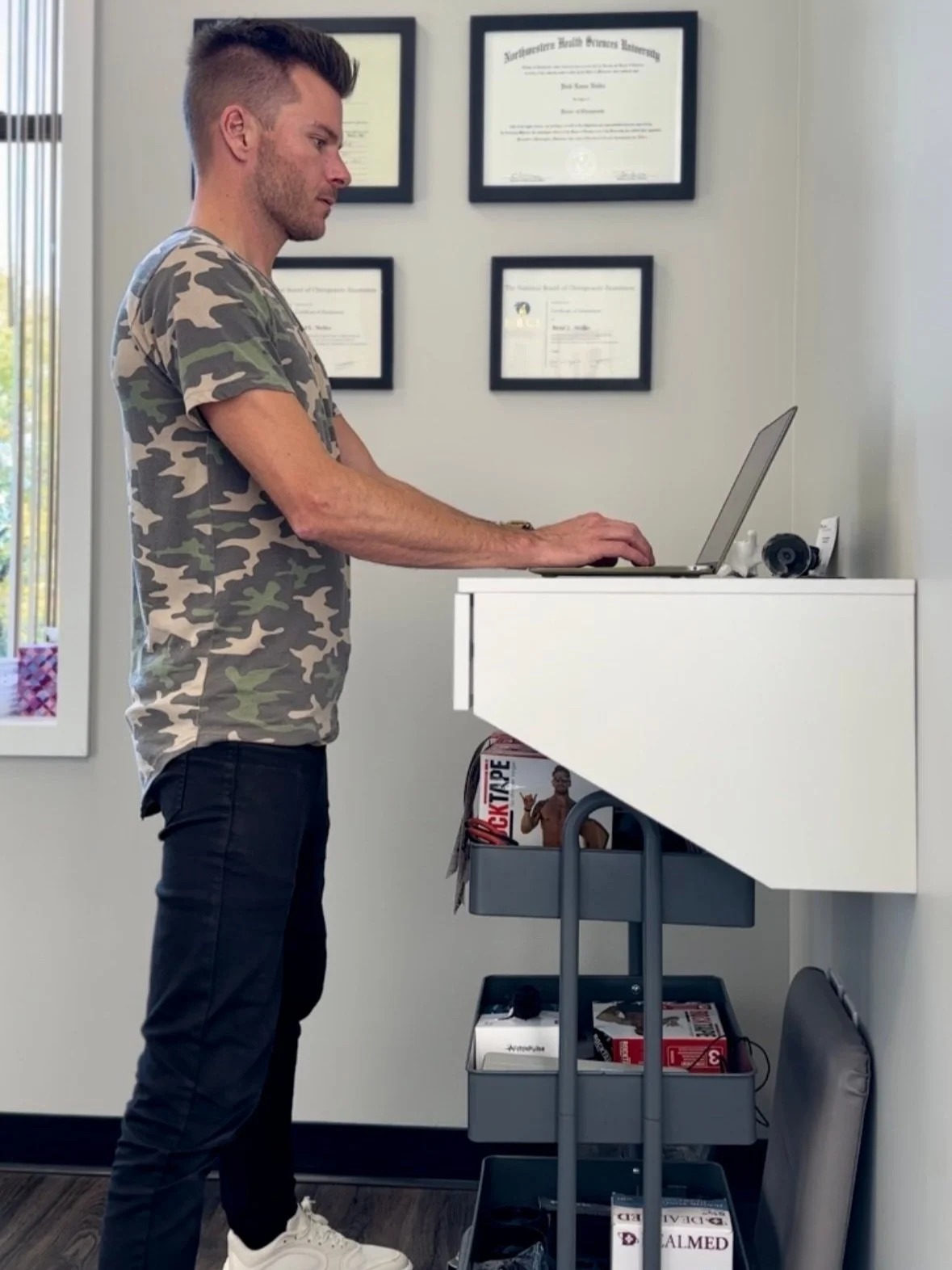
In recent years, standing desks have surged in popularity. Touted as a solution to the more sedentary lifestyle that plagues many office workers. As a Sports Chiropractor, we often see the benefits of standing desks in practice and our personal life. However, like any tool, they must be used correctly to reap the full benefits and avoid potential pitfalls. Movement (or postural) variability is key. Standing isn’t necessarily better than sitting.
Read More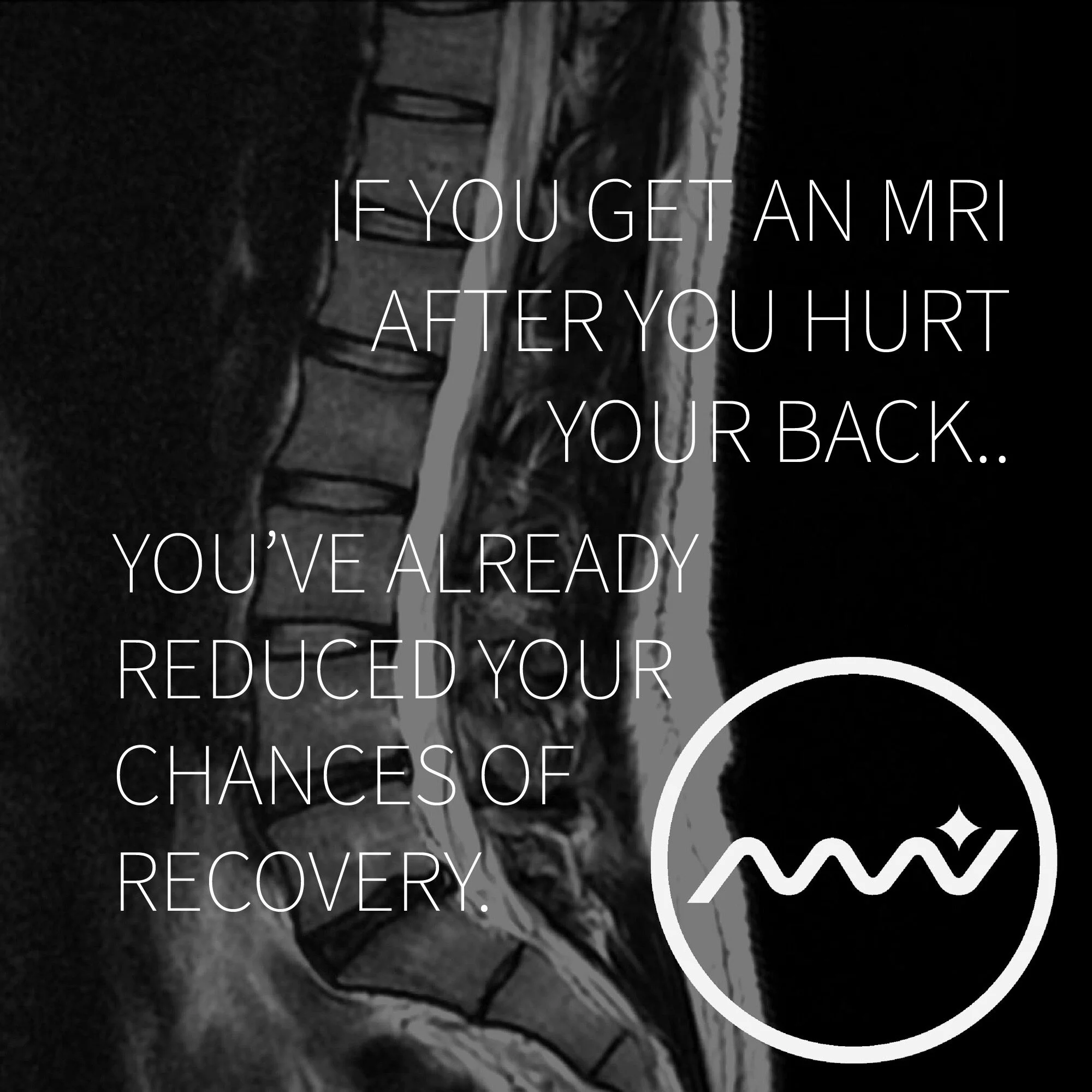
Research has proposed that if an individual with low back pain gets diagnostic imaging (such as MRI) without any explanation of normal vs. abnormal findings FIRST - their perceived outcome of recovery is drastically diminished.
Read More
Invest your time wisely. Prioritize your health. I’d rather see you for a longer duration of time once a week or once every couple weeks compared to 5 minute visits three times per week.End result? You get better. Fast. Oh, and you save time driving to and from the clinic! More time to enjoy your life!
Read More